A different kind of demand
A household’s demand rises and falls through the day; a data centre’s barely moves. A large facility draws close to its peak around the clock and cannot ride through interruptions. The IEA puts the load factor of data centres, the ratio of average to peak load, in the order of 75 to 90%, and notes that operators typically target 99.999% to 99.9999% uptime. Measured against installed capacity the ratio is lower, because computing equipment is installed progressively and operators over-contract grid capacity: the IEA estimates average capacity factors in 2025 of 52% for hyperscale facilities and 47% for colocation. Planners used to building forecasts from electrification and industrial growth now face discrete additions that arrive in blocks, want firm supply and do not respond to time-of-use tariffs.
The demand is also concentrated. Facilities cluster near subsea cable landing points, strong substations and, where cooling needs it, water. Lagos is one such cluster. Estate Intel estimated Nigeria’s installed data-centre capacity at 56.1 MW in 2025 and projected more than 218 MW by 2030, and the projects it listed as under construction are all in Lagos. Recent builds show the size of the steps: Rack Centre commissioned its 12 MW LGS2 facility in April 2025; Open Access Data Centres, having filled its first 1.5 MW, began a 24 MW twin facility in Lekki; and in May 2026 Kasi Cloud commissioned a Lekki campus designed to reach about 100 MW of IT capacity. Others are forming across the continent. Concentration strains local networks and gives large operators leverage in tariff negotiations.
Getting connected
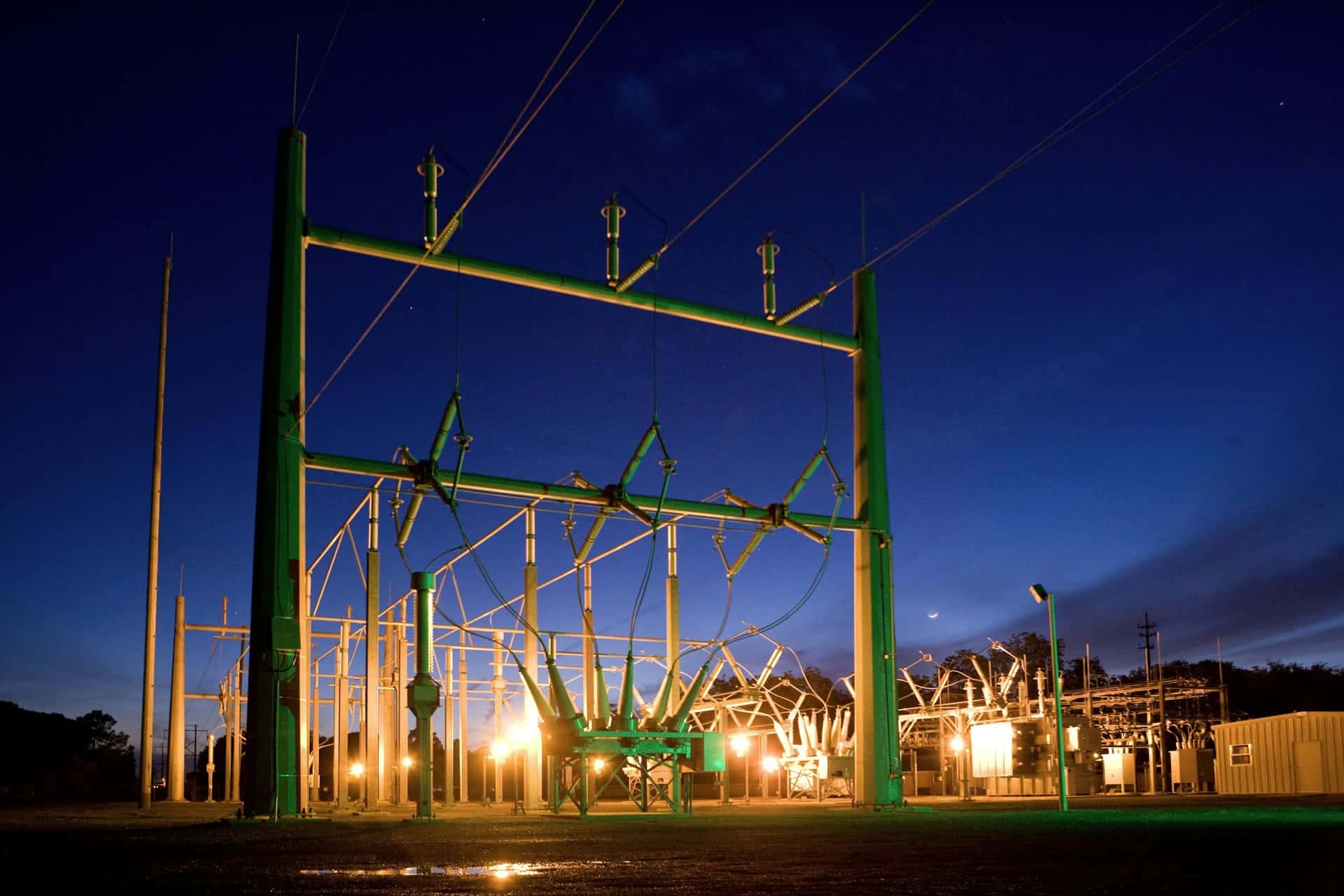
Each large facility forces a decision about the grid. Its load may exceed what the nearest feeder can carry, so the question becomes who pays for the substation or the line: the operator, or every other customer through the tariff. Wheeling terms, the conditions under which power crosses a utility’s network to reach a private buyer, move from a technical footnote to the centre of the deal.
Connection capacity is finite. Where a grid is already congested, data centres compete with electrification programmes and industrial users for the same headroom and the same engineering attention. Planners should expect operators to lobby for priority, and to build their own supply when they do not get it.
Gas, renewables and firm supply
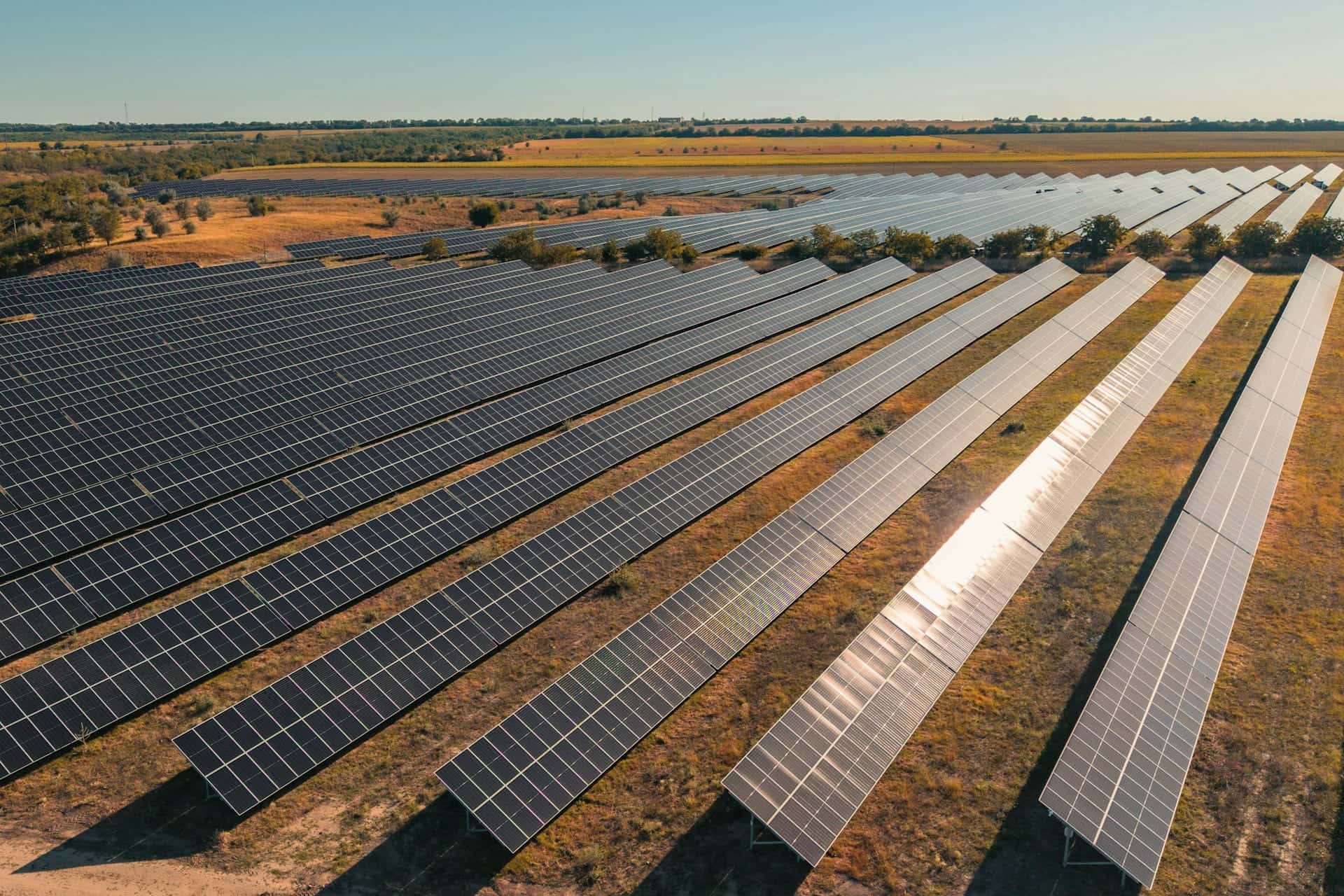
Operators can buy from the grid, build captive generation or sign a power purchase agreement. Captive gas-to-power offers control and a predictable cost, at the price of emissions, fuel-supply risk and capital tied up in plant. Renewables with storage can deliver round-the-clock supply, but need long-tenor finance and a grid connection for the balance.
We have not found a published like-for-like cost comparison for Nigeria, but the components are known. The regulated gas price is low: NMDPRA set the domestic base price of gas for power at $2.18 per MMBtu from 1 April 2026, and $2.68 for commercial users. Reliability is what costs money. The IEA estimates that onsite generation for a 1 GW data centre in an advanced economy must be oversized to between 1.3 and 1.7 GW to match grid reliability, and that even with gas at around $4 per MMBtu the result costs more than industrial grid power in much of the United States; with turbines available 85% of the time rather than 95%, it rises to roughly $180 to $220 per MWh. On the renewable side, Ember modelled 6 GW of solar with 17 GWh of batteries in 12 cities and found the combination could get Abuja 92% of the way to a constant 1 GW supply; in Las Vegas it reached 97% at about $104 per MWh, using global average costs. Finance matters as much as equipment: IRENA’s cost analysis for 2024 assumed a cost of capital of 12% in Africa against 3.8% in Europe.
Tariff design decides which way operators lean. Where the grid can offer firm supply at a cost-reflective price, a power purchase agreement becomes attractive. Where supply is unreliable or tariffs are administered below cost, captive generation is the rational choice for the operator, even though it duplicates infrastructure and forgoes the grid’s economies of scale.
Water, land and cables
Cooling can consume large volumes of water, depending on the technology chosen; in water-stressed regions that becomes a regulatory and reputational issue. Lawrence Berkeley National Laboratory estimates that US data centres consumed about 66 billion litres of water on site in 2023, an average of just over 0.36 litres per kWh of IT energy. The spread by technology is wide: systems built on water-cooled chillers without economisers use the most, while air-cooled chillers use no water on site but more energy. Sites therefore follow reliable water, or adopt drier cooling at a higher electrical cost.
Subsea cables set the other anchor. A landing station attracts co-location facilities and the services around them, so each new cable route opens a new candidate region. Coordination between telecoms operators, utilities and landing authorities is rarely designed with that in mind.
Commercial terms and sovereign risk
Large operators ask for long contracts, fixed or capped tariffs and supply priority. Some of those asks sit uneasily with universal service obligations and with system stability. On the other side, the possibility that a utility cannot pay for the power it buys deters the generators that would serve these loads, which pushes deals towards guarantees from governments or development finance institutions.
Tariffs that reflect the marginal cost of firm supply let operators weigh their options openly. Tariffs that do not push the same operators towards hidden subsidies or captive plant, and leave utilities carrying the cost.
What to watch
Connection queues: which projects get capacity, and which are deferred behind other demand.
Captive versus grid: whether new facilities build their own supply, a signal about confidence in the grid.
Water and land constraints in the clusters that are forming.
New cable landings, each a candidate for the next cluster.
Contract terms: tenor, indexation and guarantees, which reveal how sovereign and offtaker risk is being priced.
Storage: whether developers pair renewables with batteries or lock in gas.
Sources
Nairametrics: Nigeria data centre capacity to hit 218MW by 2030, report (11 November 2025)
Rack Centre: Rack Centre’s LGS2 12MW data centre commissioned (April 2025)
ThisDay: OADC to invest $240m in 24MW data centre facility in Lagos (24 March 2025)
Ember: Solar electricity every hour of every day is here and it changes everything (21 June 2025)