Skip to content

Knowledge drives transformation.

Analysis, commentary and data on energy security, downstream markets and the energy transition in Africa.

11 op-eds, quoted in 12 BusinessDay reports
Fig. 1

People without electricity, 2000 to 2024

Figure, October 2026

657 millionWorld
579 millionSub-Saharan Africa
200020162024

Since 2000 the number of people without electricity has more than halved worldwide, from 1.34 billion to 657 million. In sub-Saharan Africa it rose, from 506 million to 579 million, so the region is now home to most of the people still without power.

Source: Our World in Data, from World Bank, CC BY 4.0. Retrieved 2 October 2026.

View as table
Number of people without access to electricity
YearWorldSub-Saharan Africa
20001.34 billion506 million
20011.33 billion516 million
20021.32 billion522 million
20031.28 billion520 million
20041.30 billion536 million
20051.27 billion551 million
20061.24 billion551 million
20071.22 billion555 million
20081.18 billion572 million
20091.18 billion586 million
20101.16 billion596 million
20111.10 billion589 million
20121.08 billion597 million
20131.04 billion602 million
20141.01 billion615 million
2015973 million623 million
2016895 million591 million
2017842 million608 million
2018785 million594 million
2019769 million601 million
2020754 million601 million
2021686 million591 million
2022696 million596 million
2023677 million588 million
2024657 million579 million
Get the data (CSV)

On the record.

Op-eds by Dr Olugbenga Olaoye, newest first. BusinessDay publishes them on its opinion pages under its house byline; each closes with his author note.

11 op-eds, quoted in 12 BusinessDay reports

Quoted in BusinessDay

Twelve BusinessDay reports have quoted Dr Olaoye as an energy economist.

Articles

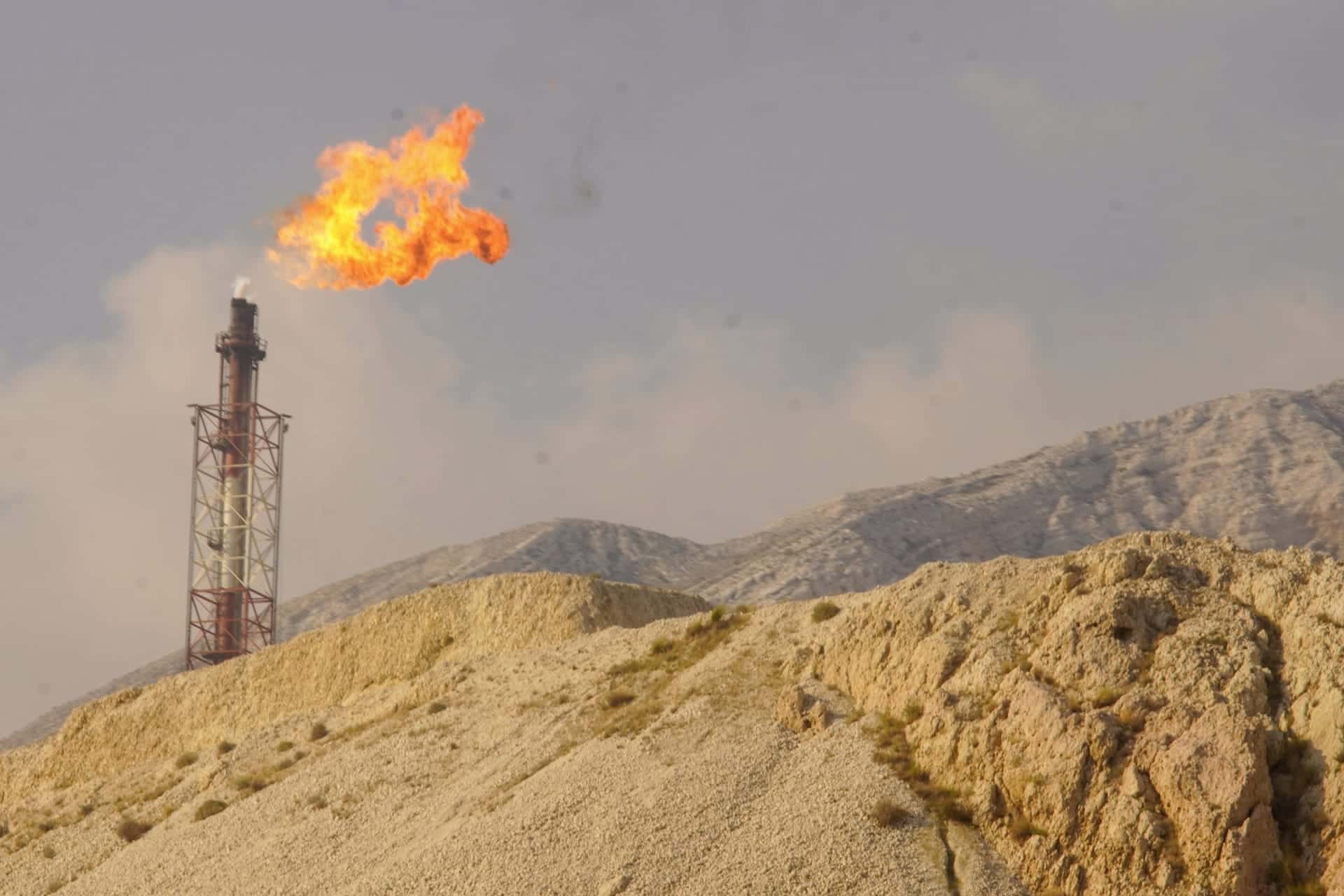
  • A gas flare burning above a hillside.

    Finance & investment

    ESG reporting for African energy firms: where to start

    Lenders and buyers increasingly ask energy companies for measured environmental and social data. A first reporting programme is best built small, on the issues that matter, with the controls to stand behind the numbers.

    5 min read

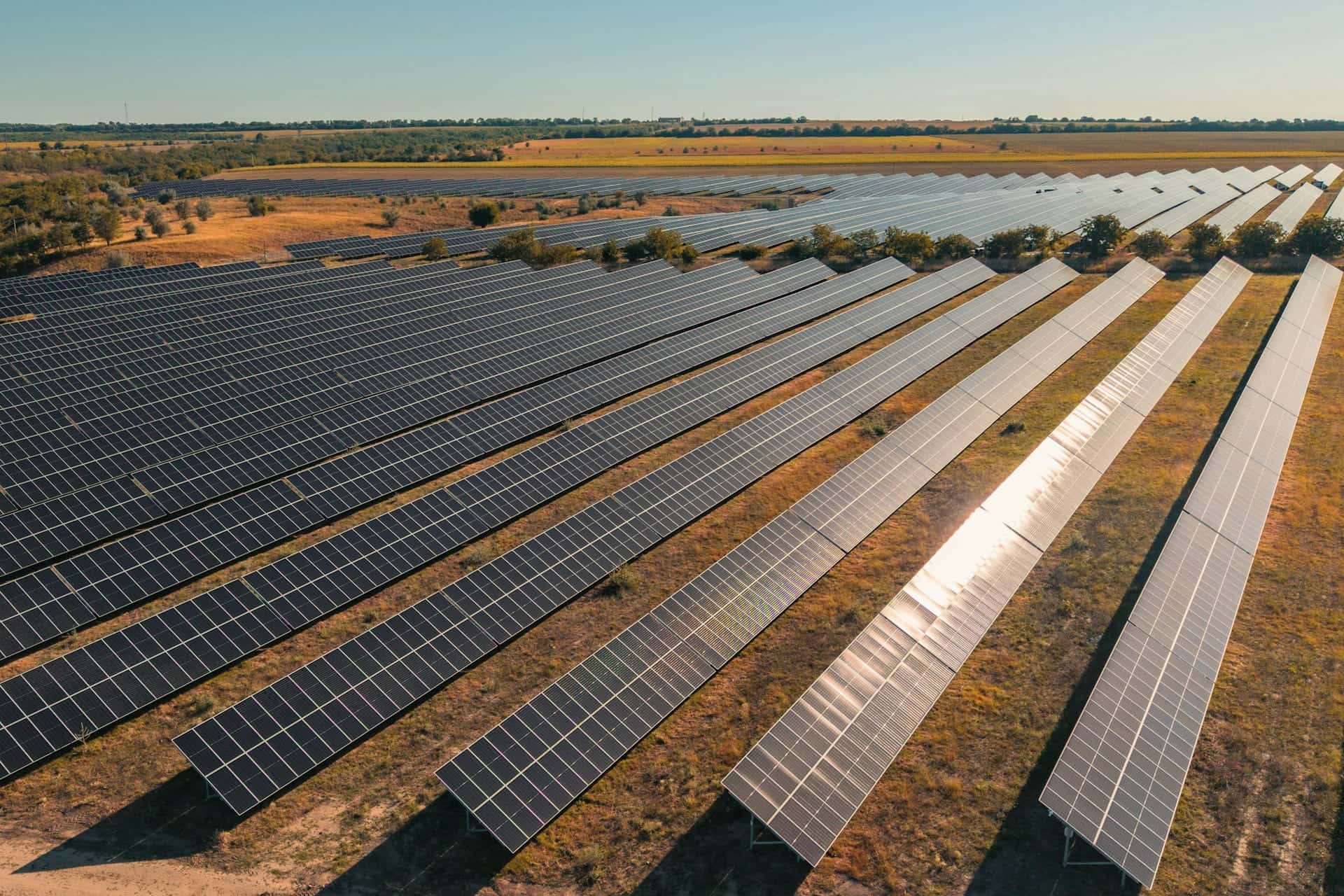
  • Rows of ground-mounted solar panels catching low afternoon sun.

    Energy transition

    The economics of commercial solar in Nigeria in 2026

    For factories, hospitals and telecom sites, solar competes with the true cost of self-generation rather than with the grid tariff. The case is usually decided by load profile, finance and currency.

    6 min read

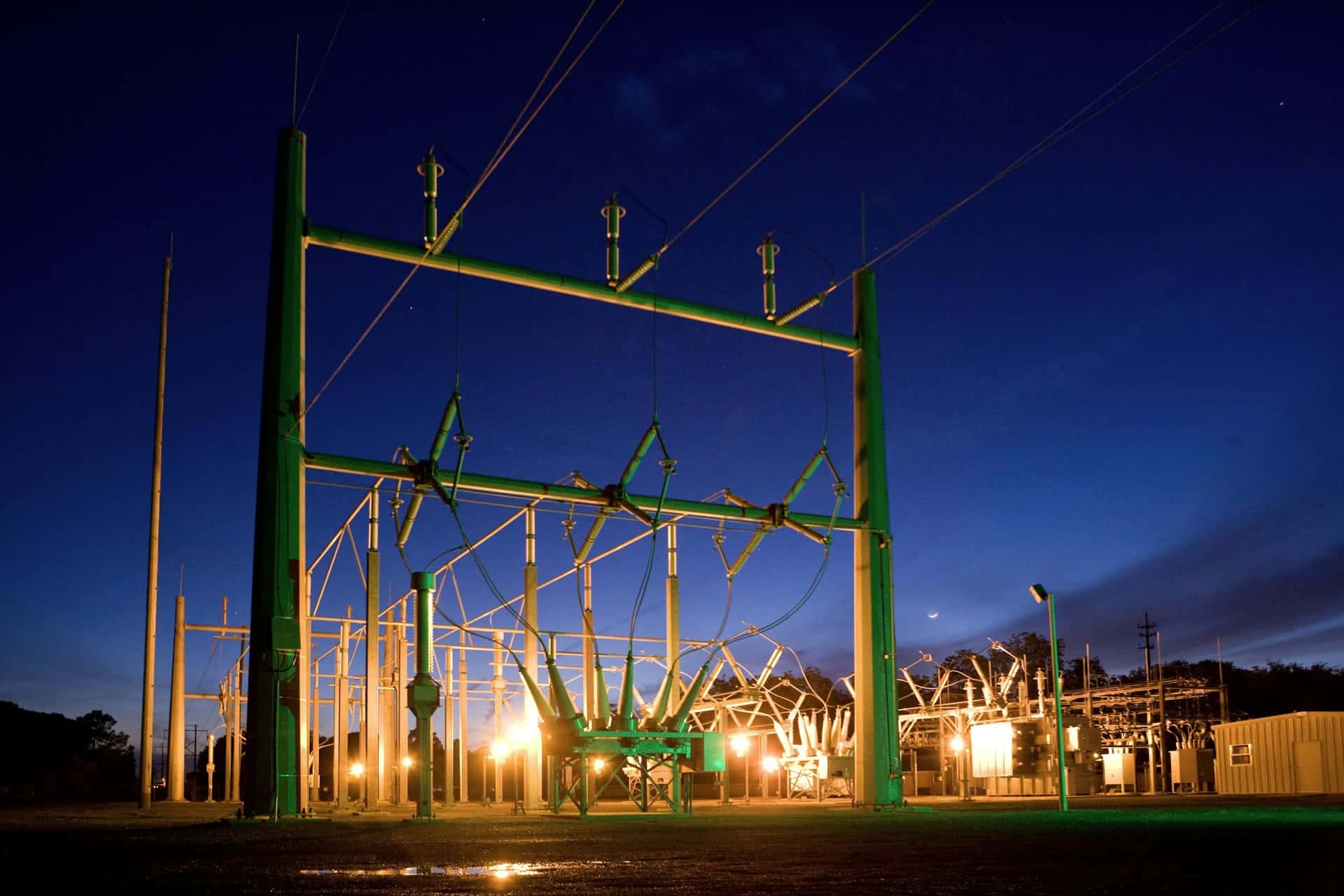
  • A high-voltage substation at dusk under sodium lighting.

    Power

    Data centres and Africa’s next power demand curve

    Data centres add large, steady loads in a handful of places. That is a different planning problem from electrification, and it will shape where gas, grid and renewable investment goes next.

    5 min read

Eight formats, one standard of evidence.

Olivia Energy Insights is building a library for decision makers. Two formats are already in print. The others are in preparation, and each will appear here with its first issue.

  • Energy transition briefings

    Short, sourced reads on what changed in the transition and why it matters.

    First issue coming

  • Downstream market outlooks

    Fuel supply, pricing and refining, including the Dangote refinery.

    First issue coming

  • African Energy Outlook

    A continental view of energy access, investment and supply.

    First issue coming

  • ESG insights

    Practical notes on ESG strategy, reporting and carbon management.

    First issue coming

  • Policy briefs

    Evidence for ministries, regulators and state agencies.

    First issue coming

  • Executive commentaries

    Op-eds and commentary by Dr Olugbenga Olaoye.

  • Research papers

    Peer-reviewed research by our founder.

  • Webinars and podcasts

    Conversations on energy policy and markets.

    First episode coming

Communities deserve sustainable solutions.

Start a conversation